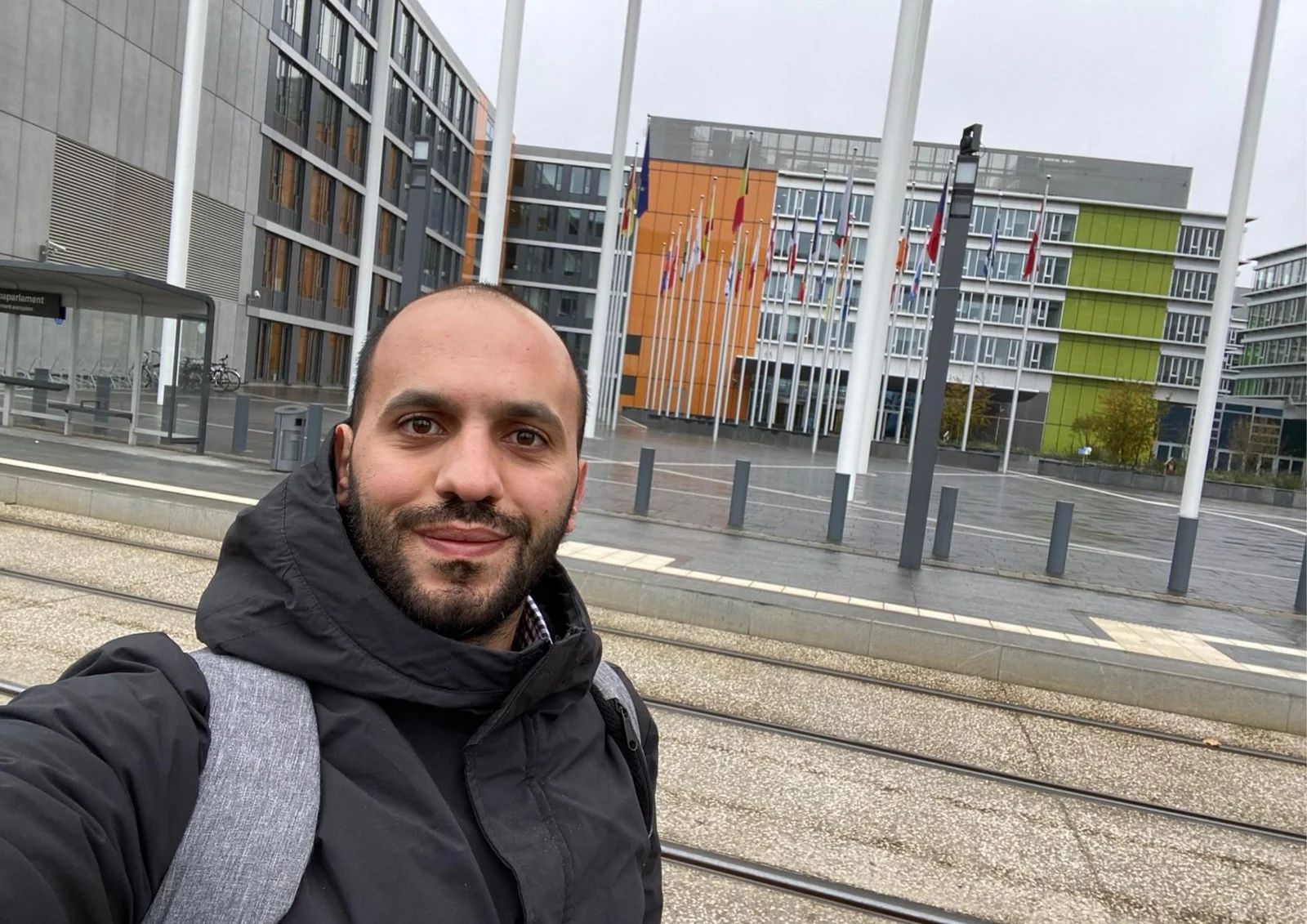
Sometimes We Do Not Need Another Training. We Need a Different Experience
When we hear about Youth Exchange Programs, we often think about travel, discovering a new country, attending workshops, and adding an international experience to our CV. For a long time, I viewed these programs from exactly that perspective. After taking part in a youth exchange in Luxembourg through Erasmus+, I started to see them differently. I realised that the training, content, and activities are only part of the experience. Some of the strongest impact happens somewhere else: in the people you meet, the stories you hear, the differences you experience, and the questions you start asking yourself.
In Luxembourg, I was surrounded by people from Romania, Armenia, the Netherlands, Luxembourg, Italy, Spain, Tunisia, and Morocco. At first, these may look like just names on a list. Behind each country, however, there was a person with a story, a lived experience, a way of thinking, and a different understanding of society, work, success, and life. Over time, I began to notice that many things I had considered completely natural were actually connected to the environment in which I grew up and the culture that shaped the way I see the world.
That is when I started to understand the real meaning of Cultural Exchange.
When Culture Becomes a Person, Not Just Information
You can read dozens of articles about a culture, watch videos about a country, and memorise facts about its traditions. All of that is useful, but something different happens when the person who belongs to that culture is sitting in front of you.
You talk about family, work, education, society, success, relationships, and perhaps disagree on some issues. You share meals, work together, face a challenge, and try to solve it as a team. At that point, culture becomes a lived experience rather than a collection of facts.
These experiences remind us that the world does not operate according to one formula. There are different ways to approach the same problem, make a decision, manage time and responsibility, understand leadership, and build relationships. Most importantly, discovering those differences does not require you to abandon your identity or your beliefs. It gives you more than one lens through which to understand the same situation.
What is a Youth Exchange Program? A short, structured experience where young people from different countries live and learn together through non-formal activities, discussion, and teamwork, rather than through a classroom.
Youth Exchange Changes the Way You Think More Than It Adds to Your CV
This is one of the strongest benefits of Youth Exchange Programs for me. When we complete a training course and receive a certificate, we usually know what we learned. With a youth exchange, you may finish the experience without being able to put every lesson into a neat list, because a large part of the learning happens gradually through everyday situations.
Working with someone who thinks differently encourages you to listen in order to understand their reasoning before responding. Working in a multicultural team makes you more aware of communication styles and how differences are handled. Living in a new environment pushes you to adapt to details you may never have had to think about before. Over time, these situations build more flexibility in how you deal with people and ideas, and they create space to question assumptions you once treated as fixed truths.
These changes may feel small while you are living them, but they can influence your personality, decisions, and relationships long after the program ends. You may not be able to place them in one line on your CV, yet they can show up later in the way you manage a team, build trust with someone different from you, navigate disagreement, or listen to a new perspective before making a judgement.
Why Do We Need Difference in Order to Grow?
I believe people grow when they step outside the environment they know. Throughout our lives, we usually move within relatively familiar circles: family, friends, university, work, and our local community. These circles give us belonging and security, but they can also make our own way of thinking feel like the only natural way to think.
A youth exchange opens a different window. Suddenly, you are in a room with people from eight countries, and every person carries a different experience. At first you notice the difference. Then you start trying to understand it. Eventually, you start discovering yourself through it. You may realise that you judge certain situations quickly, assume things about people before asking them, or believe that one leadership style is the best. Then someone else's experience shows you that other approaches can also work, depending on the context.
To me, this is one of the most valuable forms of Intercultural Learning: you do not only learn about the other person; you also learn something new about yourself.
When "The Other" Becomes Someone You Know
Another part of the experience that I find especially important is our relationship with difference. Many of the images we form about cultures and communities come from news, social media, or stories we hear from others. As a result, we can carry a broad picture of a country or a people without ever having a real relationship with someone from that background.
Cultural exchange changes this in a very simple way. The person who was simply "Romanian," "Italian," or "Tunisian" becomes someone you know by name. You know their story, their ambitions, what makes them laugh, and what matters to them. Over time, nationality becomes one part of their identity rather than the whole story. That creates more room for understanding because you begin to see the person first and the culture they come from as part of a wider identity.
I believe acceptance of others starts here: when difference becomes something you know through a relationship and an experience, rather than a general idea you carry in your head. This, for me, is one of the clearest answers to what are the benefits of cultural exchange: it replaces an abstract idea of "the other" with an actual relationship.
From My Luxembourg Experience to Civic Engagement Training
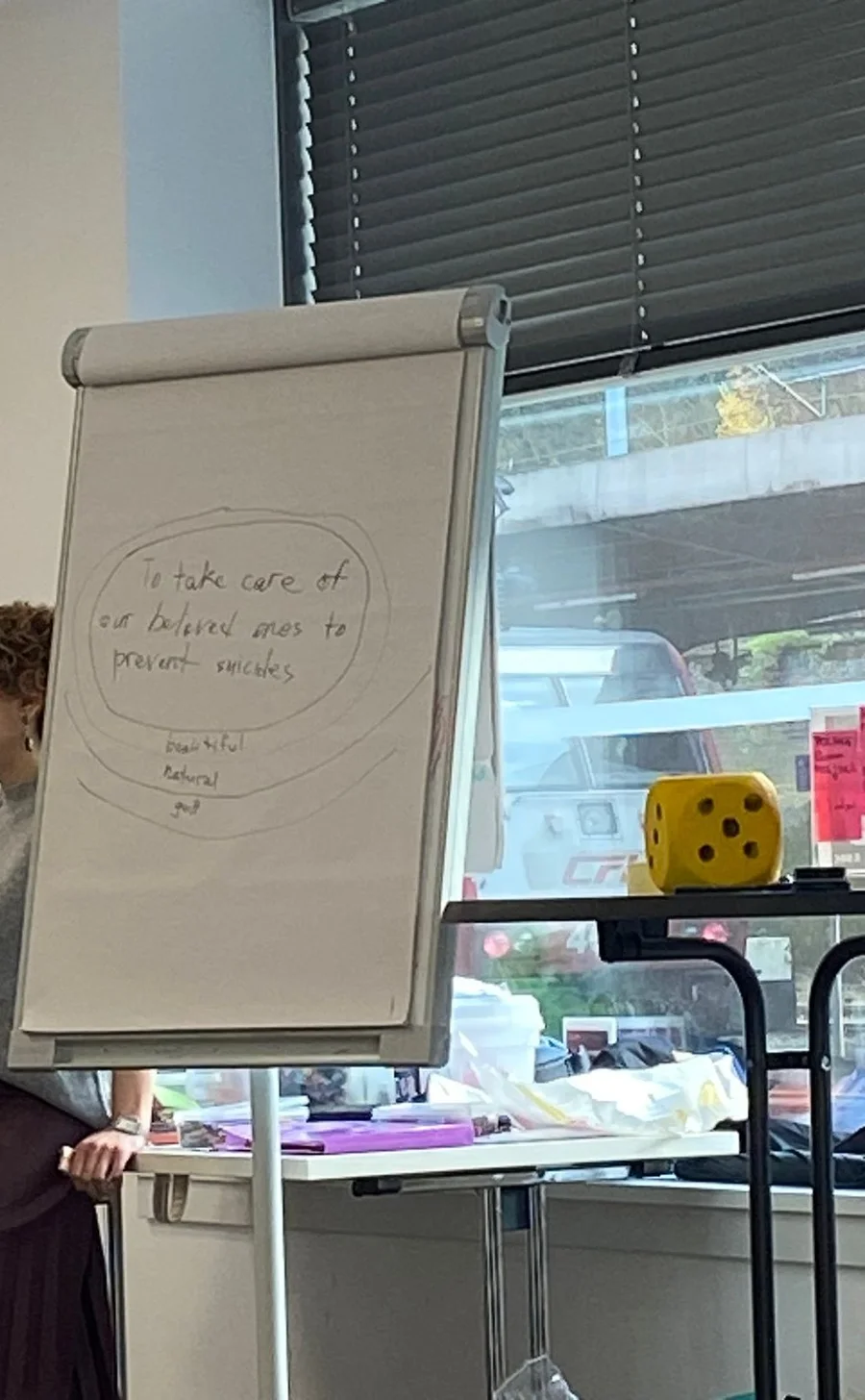
From a workshop experience in Luxembourg through Erasmus+.
This idea later returned to my professional work as a trainer. Over the past months, I had the opportunity to design and deliver a training on Civic Engagement in collaboration with Wahaj Shams as part of the RE-ACT IN II Project, co-funded by the European Union.
Through the training, we explored topics such as Advocacy, Public Spaces, Power and Exclusion, the SDGs, Storytelling, and Teamwork, moving from understanding issues to developing practical ideas and civic action plans. What made the experience especially rich for me was the diversity of the participants. We had participants from Italy, Nigeria, Jordan, Egypt, and Lebanon, and each person looked at the topics through the lens of their own context.
That diversity added another layer to the learning. When we discuss civic engagement, we do not find exactly the same meaning everywhere. Experiences of power and exclusion can vary from one society to another, and even the idea of leadership can take different forms depending on culture, environment, and lived experience. The dialogue itself therefore became part of the learning, and diversity became part of the content rather than a side detail.
That brought me back to Luxembourg once again: sometimes the most valuable part of a program is the people you meet during it.
Cultural Exchange as a Space for Leadership Development
There is another reason why I see these programs as highly valuable: their connection to leadership. Leadership today is not only about managing people who are similar to you. In many professional environments, you will work with people from different countries, backgrounds, languages, and experiences. Intercultural Communication therefore becomes an important part of professional leadership development.
Exchange programs give young people a chance to practise these skills naturally. When you work in a multicultural team, you need to explain an idea in a way everyone can understand. You encounter different discussion styles, and you learn how to reach a shared decision even when backgrounds differ. Over time, you develop greater awareness that another person's reaction may be connected to their culture or experience rather than being a personal response to you.
These experiences can later influence the way you lead teams, negotiate, collaborate with clients, and build partnerships. That is why I see Youth Exchange as professionally valuable even when the main theme of the project is cultural or social.
Not Every Exchange Program Is the Same
As I explored this space further, I realised that the term Exchange Program covers several different types of international experiences. This matters for anyone looking to start because the right opportunity depends on what you want to gain from it.
Erasmus+ Youth Exchange: A Natural Starting Point
When we talk about youth exchange in Europe, Erasmus+ Youth Exchanges are often the most recognisable option. The idea is simple: young people from different countries come together for a short period, live the experience together, learn through non-formal activities, discuss a shared topic, and work in teams.
Youth Exchanges generally last between 5 and 21 days and are aimed at young people aged 13 to 30, with specific roles for group leaders and facilitators. Funding and cost coverage depend on the project rules and the organising partners, so every opportunity should be read carefully before applying.
SALTO-YOUTH: Opportunities for Youth Workers and Trainers
If you work in training, non-formal education, youth initiatives, or Youth Work, SALTO-YOUTH is one of the platforms worth following consistently.
Through the European Training Calendar, you can find Training Courses, Seminars, Study Visits, and other international activities. Some opportunities are open to participants from Jordan and other Southern Mediterranean countries. In 2026, for example, the calendar included opportunities such as "Ask Better, Teach Better: Question-driven AI & advocacy in youth work," alongside other activities focused on democracy, participation, and youth work. For trainers and Youth Workers, these opportunities can offer strong professional value because they combine skill development, exposure to different practices, international networking, and the chance to bring new approaches back into local work.
AIESEC: Exchange Through Volunteering and Professional Experience
Another platform I believe deserves a place in this conversation is AIESEC. What is AIESEC? It is a global youth-led organisation whose approach is slightly different from Erasmus+, because it enables young people to gain international experience through volunteering, professional internships, and education.
Through Global Volunteer, young people can join volunteer projects connected to the Sustainable Development Goals, live and work alongside people from different cultures, and contribute to a real community-based project. What I like about this model is that exchange becomes connected to a real social issue. You do not travel only to discover another culture; you also contribute to something meaningful. Cultural Exchange and Social Impact therefore come together naturally.
If you want an international experience connected directly to your career path, Global Talent offers a different route. It connects young people with international professional internship opportunities across a range of fields. This opens a different question: what happens when you work in an environment that does not resemble the one you know? How do you communicate with a manager from another culture? How do you collaborate with a multicultural team? The experience can strengthen professional capability while also developing adaptability, intercultural communication, and awareness of workplace differences.
For people working in education and training, AIESEC also offers Global Teacher opportunities connected to teaching in international environments. This is particularly interesting for trainers and educators because you enter the classroom with your own experience, while learning at the same time from students, the new environment, and the surrounding culture.
European Solidarity Corps: When You Want a Longer Experience
There is also the European Solidarity Corps, which is an important option for anyone looking for a longer international volunteering experience. Individual projects can range from weeks to several months, with some lasting up to 12 months, while team volunteering offers shorter formats. Projects can cover social, environmental, cultural, and community-focused areas, depending on the opportunity and its conditions.
This can create a deeper experience than a short exchange. You become part of daily life in a new community, work on a real project over a longer period, and learn through details that are difficult to experience during a short visit.
Youth Participation: Moving from Learning About It to Practising It
Another relevant Erasmus+ pathway is Youth Participation Activities, which focus on involving young people in civic and community life and strengthening their ability to express themselves, participate, and act on issues that matter to them.
This connects closely with the Civic Engagement theme I explored in the training with Wahaj, because the idea moves from teaching young people about participation to creating real spaces where they can participate, express themselves, and develop initiatives. That is an important part of youth development for me: creating spaces where young people practise leadership and participation, not only hear about them.
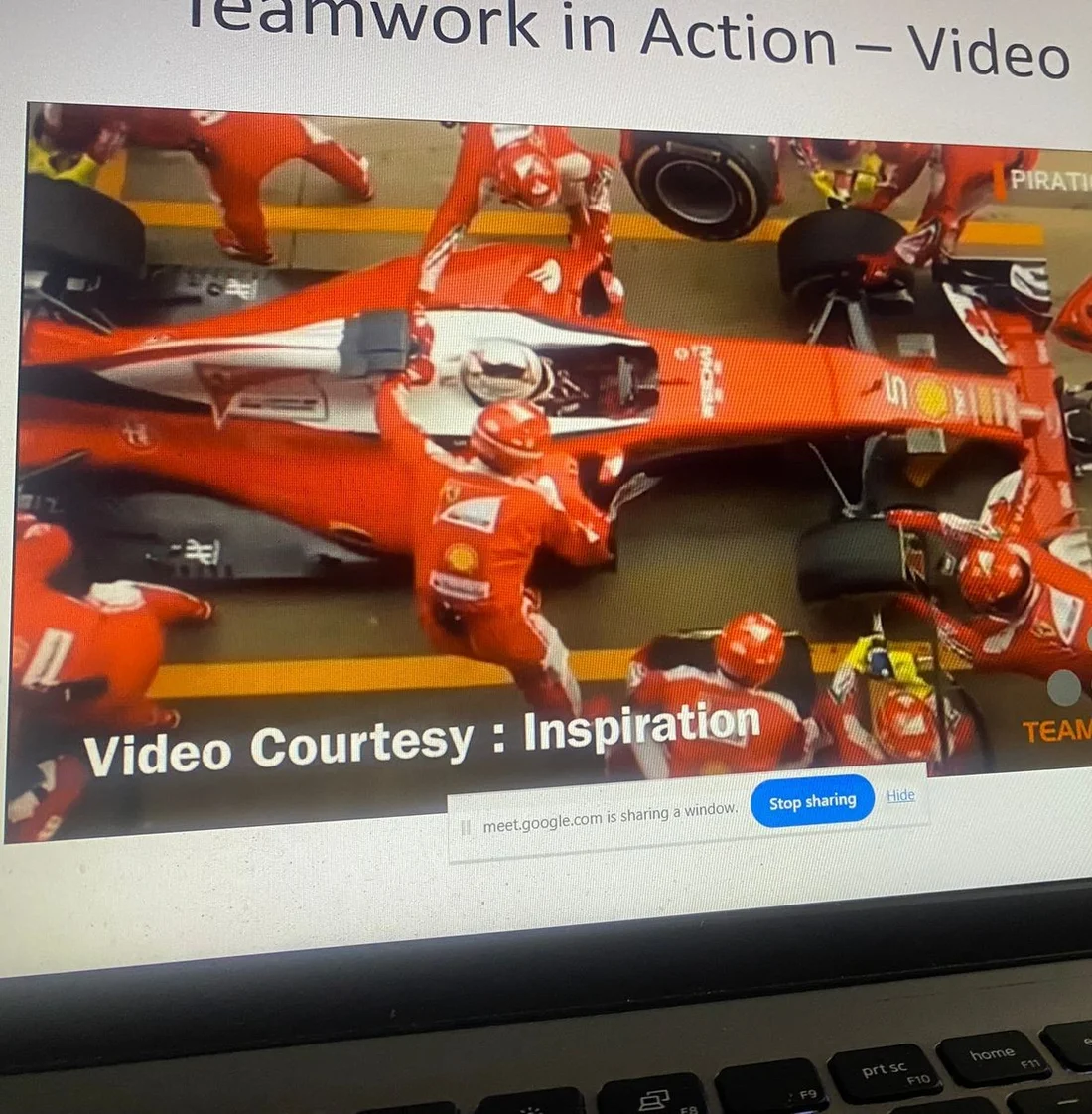
From a Civic Engagement training session with Wahaj Shams: Teamwork in Action.
Where Can I Look for These Opportunities?
The first platform I recommend is the European Youth Portal, which serves as an official European gateway to youth mobility, volunteering, participation, and other opportunities.
Next is the SALTO-YOUTH European Training Calendar, which is particularly useful for Youth Workers, trainers, and people interested in non-formal education, with opportunities such as Training Courses, Seminars, and Study Visits.
Eurodesk Opportunity Finder is also useful when you want to explore a wide range of opportunities in one place, from exchange and learning to volunteering, training, grants, and career-related options.
AIESEC is another strong option for young people who want to combine international exposure with volunteering or professional experience through Global Volunteer, Global Talent, and Global Teacher. For longer volunteering experiences, European Solidarity Corps is worth following through the European Youth Portal.
How Do You Choose the Right Opportunity?
After looking at these options, I think the better question is: "What experience do I need right now?" If you want cultural exposure and a short international experience, start with Youth Exchanges. If you work in training or Youth Work, focus on SALTO-YOUTH Training Courses. If you want volunteering connected to a social issue, explore AIESEC Global Volunteer or European Solidarity Corps. If you want international experience connected to your career, look at AIESEC Global Talent. If you work in education and want an international teaching experience, explore Global Teacher.
This way, travel becomes part of a clear goal, and the experience becomes connected to what you want to develop personally or professionally. And if you are wondering what is the difference between Youth Exchange and a Training Course: a Youth Exchange is built around young participants living and learning together on a shared topic, while a Training Course is generally aimed at youth workers and trainers who want to develop their professional practice.
Do Not Look Only for a Free Opportunity. Look for an Experience Worth Having
When young people hear about funded programs, one of the first questions can be: "Is everything paid for?" It is a reasonable question, yet the bigger questions are: What will I learn? What will I experience? Who will I meet? What will I do with this experience after I return?
Funding details vary by program and project. Erasmus+ may support travel, accommodation, and activity-related costs according to the rules of the specific project. European Solidarity Corps offers different forms of support depending on the activity. AIESEC opportunities also differ in cost and participation conditions. Always read the Infopack, eligibility, funding, accommodation, travel, and insurance details carefully and confirm the latest information with the organiser before making arrangements.
One more recommendation for anyone starting to search: do not let the beauty of the city or the hotel become the main factor in your decision. Read the objectives, target group, topic, activities, organisation, and participant expectations. Those details often tell you more about the value of the experience than the name of the country.
What Stays After the Journey Ends?
After my Luxembourg experience, and after working with participants from Italy, Nigeria, Jordan, Egypt, and Lebanon, I have started to see these programs differently. What stays after the experience is often not the hotel, the schedule, or every sentence from the workshops.
What stays is the impact of the situations you lived through with other people. When you listen because you genuinely want to understand someone, you develop a different way of having conversations. When you work with someone whose background or way of thinking differs from yours, you discover that collaboration does not always require complete agreement; it requires shared ground and mutual respect. When you live in a new environment and face everyday details that are different from what you know, you become more adaptable because you step outside the routines you normally rely on.
Over time, these experiences influence the way you interact with people beyond the program. You become more aware that another person's reaction may come from a different lived experience, and you become more willing to hear another interpretation before judging a situation. You learn that disagreement can be the beginning of a useful conversation rather than the end of one.
In the End... Maybe We Need to Travel With Our Minds Too
Sometimes we think of travel as moving from one place to another. After experiencing youth exchange, I have come to see another kind of journey: the one that happens inside you.
You may leave your country carrying certain ideas about the world and return with the same identity, experiences, and story, yet with a wider view around them. You meet people from Romania, Armenia, the Netherlands, Luxembourg, Italy, Spain, Tunisia, and Morocco, and you discover that difference can become a space for learning, that dialogue can change some of our assumptions, and that working with someone different from us can expand our human experience before our professional one.
This is the value I see in Youth Exchange Programs: they give young people the chance to meet difference rather than only hear about it, to collaborate with people unlike them, and to grow through experiences that strengthen adaptability, independence, leadership, communication, and critical thinking.
That is why, when someone asks me about the value of youth exchange, I do not think first about the skills they may learn or the countries they may visit. I think about the person who returns from the experience, and how their view of people, difference, and themselves may have changed.
You may join the program for the certificate, for the travel, or because the opportunity looks exciting in photos. Yet you may return with something much larger than the content of the program: a more open mindset, a deeper understanding of others, greater flexibility in dealing with difference, and stronger confidence in adapting to new environments.
You may travel to discover the world, then realise that the greatest journey was the one that happened inside you.
Related reading: see also how student councils build early leadership skills, or explore why most leadership programs fail.
Found this useful? Share it with your network.
 Share on LinkedIn