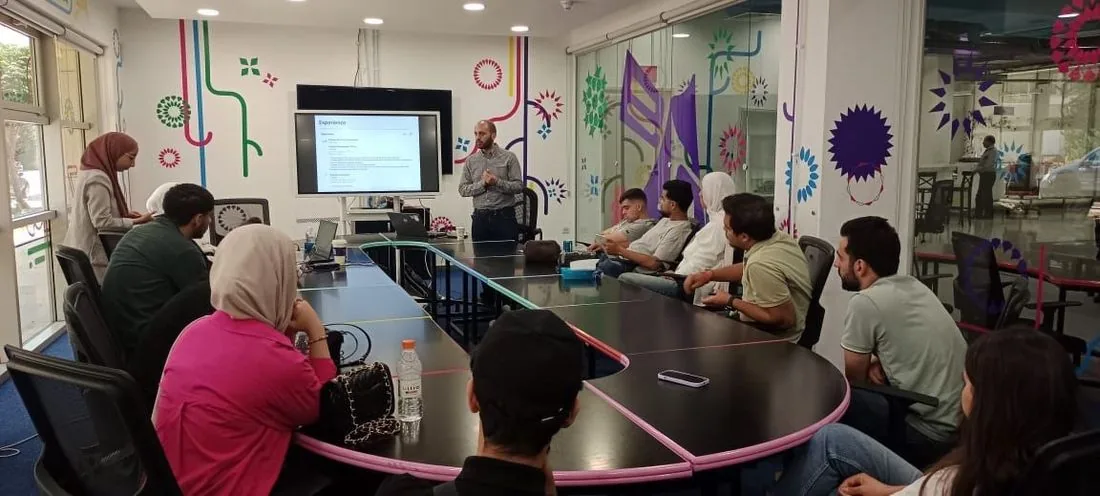
A few years ago, I was facilitating a leadership program when one of the participants approached me during a break and said something I still remember today.
"I've attended leadership trainings before. They were all interesting, but after a few weeks, everything went back to normal."
At the time, I realized he was describing a problem that exists far beyond one organization or one training room.
Organizations spend significant resources on leadership development every year. They bring in trainers, send managers to workshops, and invest in learning platforms. Yet when we look six months later, we often struggle to identify what actually changed.
People attended. Certificates were issued. Feedback forms were completed. But leadership inside the organization remained largely the same.
After working with more than 6,800 participants across youth development, community leadership, and organizational capacity-building programs, I have become convinced that most leadership programs fail for a surprisingly simple reason.
They focus on leadership knowledge rather than leadership transformation.
There is an assumption that if people understand leadership concepts, they will naturally become better leaders. In reality, leadership does not change when someone learns a new model or framework. It changes when a person starts seeing themselves differently and behaving differently under pressure, uncertainty, and responsibility.
This is where many programs miss the mark. They start by teaching communication techniques, delegation models, conflict management tools, and strategic thinking frameworks. All of these are valuable. However, very few programs spend enough time helping participants understand themselves first.
How can someone lead others effectively if they do not understand their own motivations? How can someone manage conflict if they struggle to regulate their own emotions? How can someone inspire trust if they have never reflected on their own values?
In my experience, the strongest leadership journeys begin long before participants learn how to lead teams. They begin when participants learn how to lead themselves.
Another challenge is that many organizations still treat leadership development as an event rather than a process.
A workshop can create awareness. A program can build skills. But transformation requires something deeper. It requires reflection, practice, accountability, feedback, and time.
No one becomes a stronger leader because they attended a two-day workshop. They become stronger leaders because they consistently apply what they learned, make mistakes, receive feedback, and continue growing.
The most successful leadership initiatives I have seen were not necessarily the most expensive. They were the ones that created space for people to practice leadership between sessions, not only during them.
There is also a measurement problem.
Organizations often measure success by counting participants, training hours, or satisfaction scores. These metrics are easy to collect, but they rarely tell us whether leadership has actually improved.
The more important questions are harder to answer. Are participants making better decisions? Are teams collaborating more effectively? Are managers creating healthier work environments? Are community leaders generating greater impact?
These outcomes take longer to observe, but they are ultimately what leadership development should be about.
Leadership is not a training topic. It is a developmental journey. The organizations that understand this distinction stop asking how many people attended the program and start asking how many people changed because of it.
And in the long run, that difference is what separates meaningful leadership development from expensive theater.
Related reading: See also OKRs vs KPIs: What No One Tells You, or explore our leadership development services.
Frequently Asked Questions
Found this useful? Share it with your network.
 Share on LinkedIn